
Cruise cabin types explained: inside, oceanview, balcony, suite
Published 7 October 2026
Cruise cabins come in four main types: inside, oceanview, balcony and suite. Your choice affects comfort, space, cost and how you experience the sea. Learn what each offers and which suits your needs.
The four cabin grades
Cruise cabins are grouped into four categories, each offering different levels of space, views and amenities.
Inside cabins have no window or porthole. They are the most compact and typically the least expensive option. You rely entirely on artificial light and ventilation, which some passengers find claustrophobic on longer voyages.
Oceanview cabins feature a fixed window or porthole that frames the sea and sky. This makes a psychological difference: you can see the horizon and natural light enters the room. They cost more than inside cabins but less than balconies, and offer a middle ground for those wanting a view without the extra outlay.
Balcony cabins (also called verandah cabins) have a private outdoor space with a railing where you can stand, sit and breathe fresh air. The balcony is yours alone for the duration of the cruise. This grade commands a higher price and appeals to passengers who value outdoor time and privacy.
Suites are the largest and most luxurious cabins. They typically include a separate lounge area, a larger bedroom, upgraded bedding, premium toiletries and exclusive perks such as priority dining reservations, complimentary speciality restaurants or access to a private lounge. Suite passengers often receive concierge service and other benefits that enhance the overall experience.
Where on the ship matters (deck, midships, above/below)
Your cabin's location on the ship affects motion, noise and convenience.
Midships versus fore and aft: Cabins in the middle of the ship (midships) experience the least movement in rough seas because the vessel pivots around its centre. Cabins at the front (fore) and rear (aft) sway more noticeably. If you are prone to seasickness, a midships cabin is preferable.
Lower versus upper decks: Lower decks are closer to the ship's centre of gravity, so they move less. Upper decks offer better views and feel less enclosed, but sway more in heavy weather. Some passengers prefer the trade-off; others prioritise stability.
The horizon effect: Whether you suffer from seasickness depends partly on your inner ear and psychology. Being able to see the horizon—through a window, porthole or balcony—helps your brain sync with the ship's motion. An inside cabin denies you this visual reference, which can worsen nausea for susceptible passengers. An oceanview or balcony cabin, especially midships on a lower deck, minimises motion and gives you the horizon view that steadies your sense of balance.
Who each grade suits
Inside cabins suit budget-conscious cruisers, those who plan to spend most of their time on deck or in public areas, and passengers on short voyages (two to four nights) who will use the cabin mainly for sleeping.
Oceanview cabins appeal to first-time cruisers who want to experience the sea without the cost of a balcony, and to anyone who values natural light and a sense of connection to the ocean. They work well for families and couples on mid-length cruises.
Balcony cabins are ideal for passengers who cherish outdoor space, enjoy reading or relaxing in private, or are cruising for seven nights or longer and want to maximise their time on the water. They suit couples seeking romance and solitude, and families with older children who can safely use a balcony.
Suites appeal to luxury-focused cruisers, those celebrating a milestone, and passengers who value space, exclusivity and personalised service. They suit longer voyages where you will spend significant time in your cabin.
Unallocated cabin grades (letting the line pick your cabin)
Many cruise lines offer 'unallocated' or 'flexible' cabin bookings at a discount. You pay less upfront, but the cruise line assigns your cabin close to departure. You do not know the exact deck, location or view category until a few weeks before sailing.
This option works if you are flexible about your surroundings, do not mind a lower deck or inside cabin, or are confident you will spend little time in your room. It does not suit passengers who are prone to seasickness and need a midships, oceanview or balcony cabin, or those who have specific accessibility needs.
If you book unallocated, contact the cruise line or your travel agent a few weeks before departure to request your preferred cabin type or location. There is no promise they will honour it, but they may oblige if suitable cabins remain available.
Questions to ask the agent
Before you book, clarify the following with your travel agent or the cruise line:
- Is the cabin midships, fore or aft?
- What deck is it on?
- For oceanview and balcony cabins, which direction does it face (forward, aft, port or starboard)?
- Are there any obstructed views (a lifeboat or railing blocking the window)?
- What is the cabin size in square feet or metres?
- Does it have a bath, shower or both?
- Are there any connecting cabins nearby (which might mean more noise)?
- What is included with this grade (meals, drinks, speciality venues)?
- Can you request a specific cabin, or is it assigned at check-in?
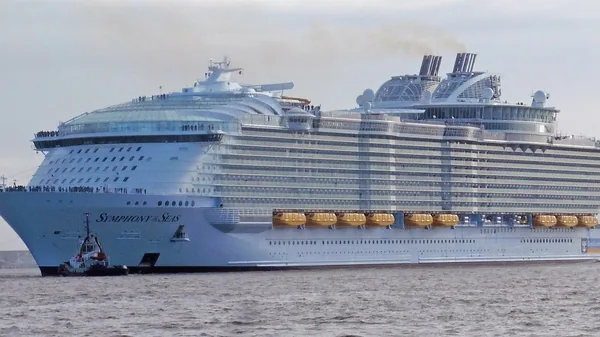
Different ships vary widely in cabin layout and location. A cabin on Symphony of the Seas or Harmony of the Seas, both built in 2018 and 2016 respectively, will differ from one on Oasis of the Seas (built 2009) or Allure of the Seas (built 2010). Newer ships often have more balcony cabins and better soundproofing. Larger, more recent vessels such as MSC World America (2025) or Costa Toscana (2021) may offer more cabin variety and upgraded facilities.
Your travel agent can access deck plans and cabin details for the specific ship on your chosen sailing. Use these tools to make an informed choice that matches your budget, comfort priorities and plans for the voyage.